
Religious Language and Material Conduct
Lazarillo de TormesThis thread traces the gap between sacred speech and the conduct of religious figures in Lázaro’s experience.
increasing Bearing strength in each event
 decreasing
Bearing strength in each eventdecreasingScripture in a Criminal Family

Sacred Words Meet Social Irony
A Biblical Echo
Lázaro describes his father’s confession using language associated with scripture.
A Subversive Tone
The elevated phrasing makes an ordinary criminal case sound ceremonially pious, anticipating the book’s recurring religious parody.
The Blind Man’s Devotion
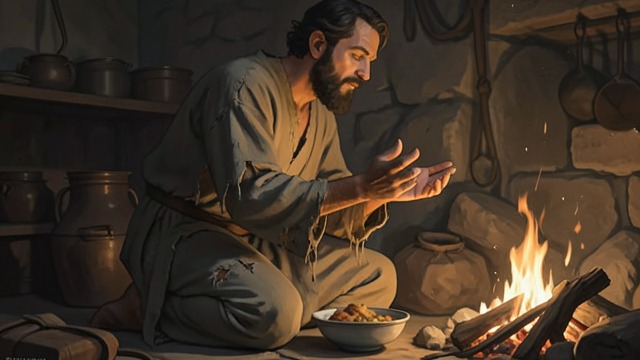
Prayer as a Source of Income
The Priest’s Austerity Claim

Religious Discipline Conceals Greed
A Claim of Moderation
The priest says that clerics should be restrained in eating and drinking.
Contradictory Appetite
At meals funded by others, he eats and drinks freely while continuing to starve Lázaro.
The Seller’s Miracle

Sacred Authority Is Manipulated
Prayer as Theater
The seller invokes God while staging a false miracle with the alguacil.
Belief Converted to Revenue
The congregation’s response turns religious fear into a profitable market for indulgences.
A Patron’s Spiritual Cover

Clerical Authority Shapes Private Life
Material Assistance
The archpriest gives the couple provisions and helps arrange their home.
Unresolved Moral Question
His influence shelters Lázaro while rumors suggest an intimate arrangement, leaving piety and self-interest entangled.
During the account of Tomé González’s prosecution
During Lázaro’s travels with 盲人
During Lázaro’s months in Maqueda
During the sermon in the village church
Near the end, after the archpriest’s support is established
